
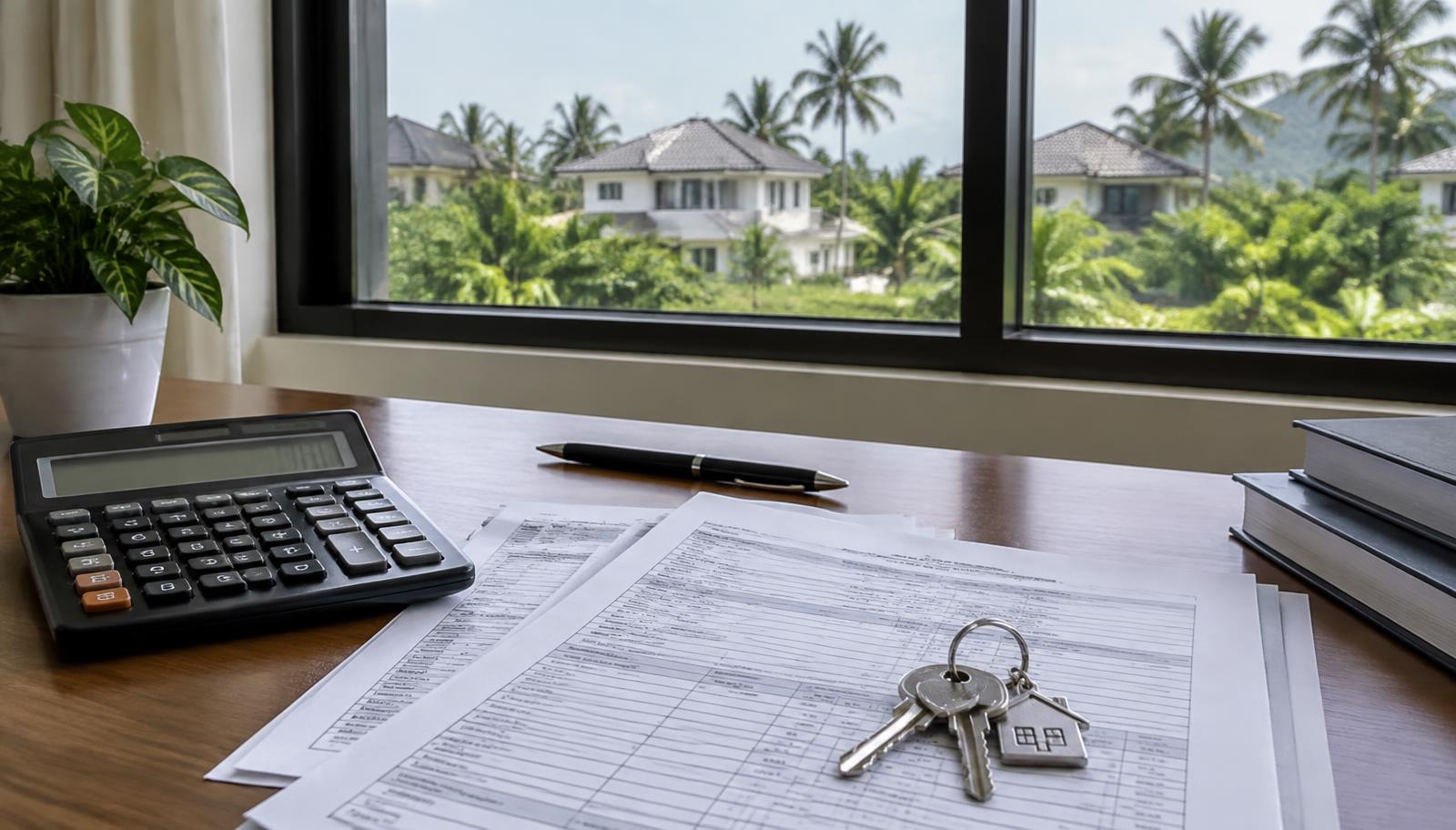
Dominican Republic Property Taxes: A Guide for Homeowners and Investors
By Roberto 4 min read
A practical guide to Dominican Republic property taxes, including real estate transfer tax, annual IPI, possible exemptions, and rental income obligations. Use the checklist to prepare for a conversation with an independent tax adviser.
This article is general information, not legal or tax advice. Rules change, so confirm the details for your situation with an independent Dominican lawyer.
Understanding the tax framework is an important part of purchasing and owning real estate in the Dominican Republic. Whether you are acquiring a vacation condominium in Cabarete, an income-producing villa in Las Terrenas, or a private residence on the Samaná Peninsula, sound financial planning requires clarity about both transaction taxes and ongoing property levies. Tax rules, exemptions, and compliance procedures can involve detailed legal considerations, so use this guide to prepare for a consultation with a qualified Dominican tax attorney or accountant.
The Real Estate Transfer Tax (Impuesto de Transferencia Inmobiliaria)
When purchasing real estate in the Dominican Republic, buyers generally need to account for a transfer tax to register the title in the purchaser's name at the Title Registry Office (Registro de Títulos):
- Tax assessment: The transfer tax is generally approximately 3% of the property's value as assessed by the tax authority, the Dirección General de Impuestos Internos (DGII). The applicable basis and amount should be confirmed for the specific transaction.
- Timing of payment: The tax is generally paid after the sale agreement is signed and before the title transfer is completed. Confirm the payment and registration steps with your independent lawyer.
- Independent verification: Do not rely on broad, unverified closing-cost estimates found online. Total costs can depend on legal representation, notary charges, property valuation, and other transaction details. Ask your independent counsel for a written estimate.
Annual Property Tax: The Impuesto al Patrimonio Inmobiliario (IPI)
The Impuesto al Patrimonio Inmobiliario (IPI) is the principal annual property tax framework for many individuals who own real estate in the Dominican Republic:
- Tax scope: IPI generally applies to the combined assessed value of an individual's taxable real estate holdings, subject to applicable exemptions and rules. The treatment of a property can depend on its use, ownership, and classification.
- The assessment threshold: An exemption threshold applies to individuals, and the threshold may change. If the total assessed value of taxable holdings is below the applicable threshold, IPI may not be due. Where the value exceeds it, tax is generally calculated on the amount above the threshold. Confirm the current threshold and calculation with the DGII or a tax professional.
- Payment schedule: When IPI is due, it is generally paid in installments through the DGII. Check the current deadlines and payment requirements to avoid interest or penalties.
- Government valuations: The DGII's assessed values may differ from market prices and can be updated. Ask an adviser to verify the current assessed value used for tax purposes.
Key Exemptions and Special Regimes
Depending on ownership structure and property classification, exemptions or alternative tax rules may apply:
- Senior citizen exemption: Dominican tax law may provide an IPI exemption for qualifying older property owners under specific conditions, which can include requirements related to age, sole ownership, and the property serving as the owner's home. Confirm eligibility and current requirements with the DGII or an accountant.
- Properties held in corporate structures: Holding real estate through a Dominican or foreign entity can change the applicable tax treatment and reporting obligations. Corporate ownership may involve asset taxes and income tax filings. Obtain advice on the specific entity and property before choosing an ownership structure.
- Tourism incentive laws (CONFOTUR): Some developments certified under Law 158-01, known as CONFOTUR, may qualify for tax incentives that include exemptions from transfer tax and IPI for a defined period. Benefits depend on the development's valid certification and the applicable rules. Verify the status and scope of any claimed exemption independently.
Tax Considerations for Rental Income and Ongoing Operations
For investors earning income from short-term vacation rentals or long-term leases, tax responsibilities may extend beyond property ownership taxes:
- Rental income taxation: Income from Dominican real estate may be subject to Dominican income tax, including when the owner lives outside the country. Confirm the applicable filing and payment obligations with a tax professional.
- Withholding and value-added tax (ITBIS): Commercial rental activity or short-term rental operations may involve registration, ITBIS, withholding, or other compliance requirements, depending on the activity and ownership structure.
- Record keeping: Keep records of maintenance costs, homeowners' association fees, insurance, and renovation expenses. Whether these costs are deductible depends on the applicable rules and ownership structure.
Essential Checklist for Your Dominican Tax Adviser
Before signing a real estate agreement, review these questions with independent legal and tax professionals:
- What is the current DGII assessed value of this specific property?
- What transfer tax and registry fees are expected to apply to this transaction?
- Can the seller provide current tax clearance documentation, and are there any outstanding property tax liabilities?
- Would personal or corporate ownership be more appropriate for my circumstances?
- Does the development have an active, verified CONFOTUR certification, and what benefits apply to this property?
- What tax declarations and payments may be required if the property is used as a vacation rental?
Next Steps in Your Property Acquisition
Understanding the tax implications with professional guidance can help you plan a property purchase and meet your obligations. If you are evaluating homes in Las Terrenas, Cabarete, Sosúa, or Samaná, browse our properties for sale. For more information about the purchase process, see our guide to buying property in the Dominican Republic.
Sources
https://www.realestate-dominicanrepublic.com/travel-guide/how-to-understand-dominican-republic-property-taxes-complete-guide-for-homeowners-and-investors
Ready to look at homes?
Browse what's available now, or tell us what you're looking for.
Keep reading
Buying
Buying property in the Dominican Republic: step by step
Foreigners can own property in the Dominican Republic on the same terms as citizens. Here is the process step by step, what it costs and the checks that protect you.
Read more
Buying
How to Choose Santo Domingo Dominican Republic Real Estate Top Areas and Best Property Options
Explore the distinct residential and urban neighborhoods of Santo Domingo, from Piantini and Naco to the Colonial Zone, Bella Vista, and Gazcue.
Read more
Buying
How to Get Married in the Dominican Republic: Legal Requirements and Beach Wedding Tips
Planning a wedding in the Dominican Republic means balancing celebration details with legal requirements. Learn what to discuss with legal advisers and how to plan venues, suppliers, and guest travel.
Read more
Start today
Ready to find your place?
Browse homes for sale and rent, or tell us what you need and we'll help.