
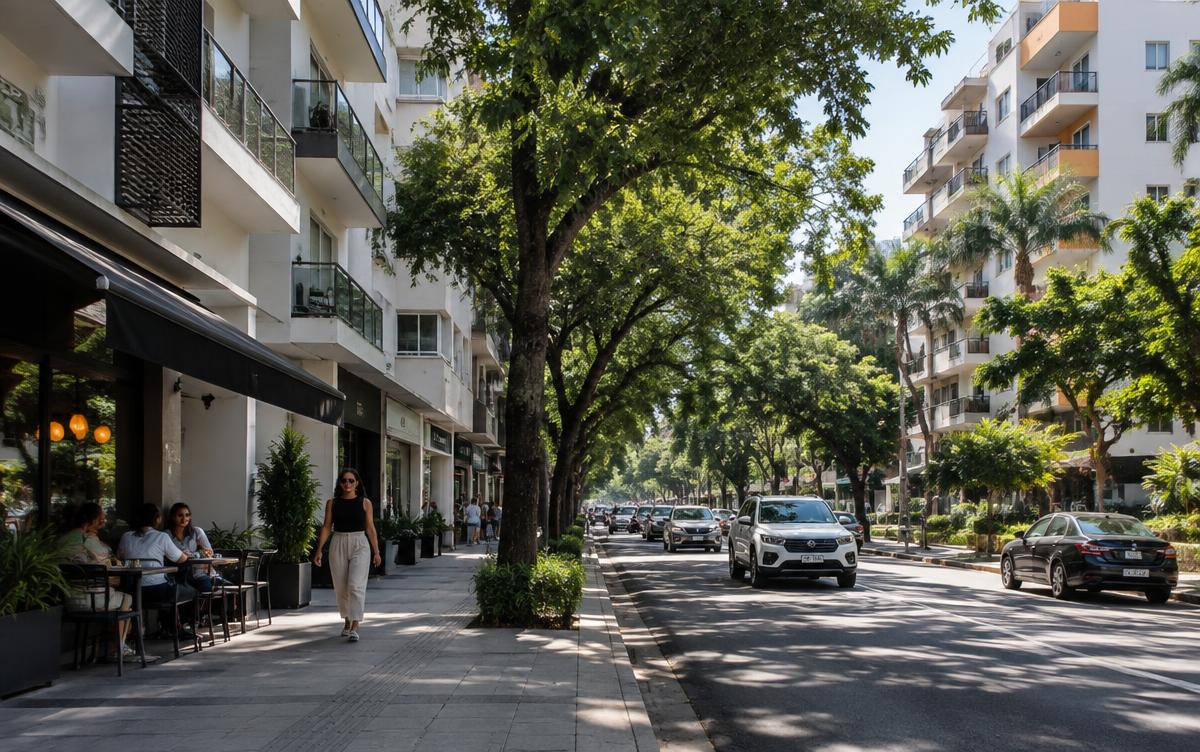
How to Choose Santo Domingo Dominican Republic Real Estate Top Areas and Best Property Options
By Alex 4 min read
Explore the distinct residential and urban neighborhoods of Santo Domingo, from Piantini and Naco to the Colonial Zone, Bella Vista, and Gazcue.
While coastal towns often capture the attention of overseas buyers seeking beachside living, the capital city of Santo Domingo represents the economic, cultural, and administrative heart of the Dominican Republic. For professionals, entrepreneurs, cultural enthusiasts, and long-term residents, the capital provides an urban alternative characterized by corporate headquarters, sophisticated dining, prominent healthcare networks, and rich historical architecture. Selecting the right property in Santo Domingo requires understanding how neighborhood character, transit patterns, and municipal infrastructure shape day-to-day life.
The High-Density Commercial Core: Piantini and Naco
Piantini and Naco form the central business and luxury residential district of Santo Domingo, frequently referred to as the Polígono Central. These neighboring districts are defined by modern high-rise residential towers, corporate office parks, upscale shopping centers, fine-dining restaurants, and international banks. They appeal strongly to corporate executives, diplomats, and buyers who prioritize walkability to premium urban amenities.
Living in Piantini or Naco means accepting a high-density, energetic environment where vehicle traffic can be intense during peak hours. In these areas, apartment living is the dominant residential model. When evaluating an apartment tower here, prospective buyers should focus on practical building amenities such as full-capacity backup generators (planta eléctrica), dual secure parking spaces, round-the-clock security, and professional administrative management. The rules governing high-rise communities, including visitor access, short-term rental policies, and pet restrictions, directly impact both personal comfort and building quietude.
Historic Character and Preservation: The Colonial Zone
The Colonial Zone (Ciudad Colonial) offers an entirely different living experience. As the oldest European settlement in the Americas, this UNESCO World Heritage district is celebrated for its 16th-century Spanish colonial architecture, cobblestone pedestrian streets, vibrant plazas, art galleries, and boutique hotels. It attracts artists, historians, and international buyers drawn to character homes with internal courtyards, high beamed ceilings, and coral-stone masonry.
Purchasing property in the Colonial Zone demands specialized technical and regulatory scrutiny:
- Historic Preservation Guidelines: Any structural renovation, facade modification, or interior remodeling must receive formal approval from the Directorate of Cultural Heritage (Patrimonio Cultural). Permitted alterations are strictly governed.
- Restoration Realities: Centuries-old masonry, traditional lime-based plasters, and aging electrical and plumbing connections require specialized contractors familiar with historic conservation.
- Logistics and Parking: Narrow streets mean private parking is rare. Residents often rely on dedicated garage rentals, street permits, or foot transport.
Established Residential Balance: Bella Vista and Gazcue
For buyers who desire urban access without the constant commercial intensity of the central core, neighborhoods such as Bella Vista and Gazcue offer distinct historical and practical alternatives.
Bella Vista, situated to the west of the central corridor, provides a balanced residential atmosphere with mature trees, easy access to major thoroughfares like Sarasota and Rómulo Betancourt avenues, and immediate proximity to Mirador Sur Park—a six-kilometer green belt popular for running, cycling, and outdoor recreation. The area features a mix of newer high-rises and established condominium buildings suitable for family living.
Gazcue is one of the capital’s most traditional residential districts, located near government ministries and the presidential palace. Known for its wide streets, mature mahogany trees, and early-to-mid-20th-century villas and low-rise buildings, Gazcue offers an understated, historic charm. While some structures have been converted for institutional use, well-maintained residential pockets remain appealing for residents seeking central positioning at a gentler urban pace.
Evaluating Building Infrastructure, Rules, and Utilities
Urban real estate in Santo Domingo revolves largely around horizontal property regimes (condominiums). Because public municipal utilities can face interruptions, modern living in the capital relies heavily on private residential infrastructure. Before entering a commitment on any apartment or townhouse, verify the following elements with building administration:
- Power Redundancy: Does the building feature a synchronized generator capable of powering common areas and complete apartment interiors, including air conditioning units, during grid outages?
- Water Storage and Pumping: Confirm the size and filtration capacity of the communal cistern (cisterna), as well as pump maintenance logs.
- Condominium Governance: Request copies of the internal rules (Reglamento de Copropiedad), recent assembly meeting minutes, and financial reports to check for reserve fund health and outstanding maintenance issues.
- Parking Allocations: Verify that parking bays are legally assigned in the title deed and that clearances accommodate standard sport-utility vehicles.
Navigating Commutes and Urban Daily Routines
Daily routines in Santo Domingo are profoundly influenced by urban geography and transit flows. Peak-hour traffic along primary arteries like Avenida 27 de Febrero, Avenida Winston Churchill, and Avenida John F. Kennedy can significantly extend travel times between residential sectors and business hubs.
To make a grounded choice, visit prospective neighborhoods at multiple times during the day and night. Walk the immediate street to assess noise levels from nearby commercial venues, inspect the walkability to grocery markets and pharmacies, and test the real-world driving commute to your routine destinations. Comparing the urban pace of Santo Domingo against coastal options in other Dominican regions will help determine whether the capital fits your long-term plans.
Next Steps in Your Capital Property Search
Choosing real estate in Santo Domingo begins with clarifying your commute tolerances, architectural preferences, and community expectations. Review residential opportunities across urban sectors on our properties page, explore long-term leasing options via our rental listings, or reach out to our team for tailored guidance on navigating the capital’s diverse urban districts.
Sources
https://www.realestate-dominicanrepublic.com/travel-guide/how-to-choose-santo-domingo-dominican-republic-real-estate-top-areas-and-best-property-options
Ready to look at homes?
Browse what's available now, or tell us what you're looking for.
Keep reading
Buying
Buying property in the Dominican Republic: step by step
Foreigners can own property in the Dominican Republic on the same terms as citizens. Here is the process step by step, what it costs and the checks that protect you.
Read more
Buying
Dominican Republic Property Taxes: A Guide for Homeowners and Investors
A practical guide to Dominican Republic property taxes, including real estate transfer tax, annual IPI, possible exemptions, and rental income obligations. Use the checklist to prepare for a conversation with an independent tax adviser.
Read more
Buying
How to Get Married in the Dominican Republic: Legal Requirements and Beach Wedding Tips
Planning a wedding in the Dominican Republic means balancing celebration details with legal requirements. Learn what to discuss with legal advisers and how to plan venues, suppliers, and guest travel.
Read more
Start today
Ready to find your place?
Browse homes for sale and rent, or tell us what you need and we'll help.