
How to Rent a Car in the Dominican Republic Complete Guide for Tourists
By Alex 3 min read
Learn how to rent a car in the Dominican Republic with confidence. Review insurance coverage, vehicle types, road conditions, and contract terms before you drive.
Exploring the Dominican Republic by car offers exceptional freedom, allowing you to venture beyond all-inclusive resorts to discover secluded beaches, mountain lookouts, and charming coastal villages. Having your own vehicle makes it straightforward to explore multiple regions-such as combining the vibrant town of Cabarete with quiet hideaways along the Samaná Peninsula. However, car rental contracts, road conditions, and driving customs require careful preparation to ensure a hassle-free trip.
Evaluating Whether to Rent a Car or Hire a Driver
Before booking a rental vehicle, assess your travel style and planned route. Driving yourself is ideal if you are comfortable navigating unfamiliar traffic patterns, plan to explore multiple coastal beaches, or are staying in a private villa outside central town areas where walking is impractical.
Conversely, hiring a private driver or using organized transfers may be preferable if your itinerary focuses solely on relaxation within a walkable town center like central Las Terrenas, or if you prefer to avoid the stress of foreign traffic dynamics, nighttime driving, and unfamiliar secondary roads.
Understanding the Full Rental Agreement Terms
When selecting a rental provider, comparing headline daily rates alone is often misleading. Review the full rental terms thoroughly before signing or providing credit card authorizations:
- Insurance and Deductibles: Carefully review the distinction between Collision Damage Waiver (CDW), Third-Party Liability, and comprehensive protection. Understand the exact financial deductible (excess) for which you remain liable in the event of an incident.
- Security Deposits: Rental agencies typically require a credit card authorization hold to cover potential damage or unpaid fines. Ensure your credit card limit accommodates this deposit without restricting your daily travel funds.
- Mileage and Territorial Boundaries: Confirm whether the agreement includes unlimited mileage and whether there are any geographic restrictions on taking the vehicle into remote rural zones.
- Fuel Policies: Clarify whether the policy is full-to-full or requires returning the vehicle at the exact same fuel level received to prevent inflated refueling surcharges.
- Additional Drivers: Ensure all individuals who may operate the vehicle are formally registered on the rental agreement; unregistered drivers invalidate insurance coverage.
Choosing the Right Vehicle for Regional Terrain
Vehicle selection should be driven by practical utility, luggage requirements, and the topography of your destination rather than aesthetics alone:
- Compact Cars: Well-suited for paved coastal corridors, city navigation, and easy parking in bustling town centers like Sosúa.
- Compact SUVs and Crossovers: Provide added ground clearance that is invaluable when navigating speed bumps (policías acostados), beach access tracks, and unexpected potholes.
- Four-Wheel Drive (4WD/AWD): Highly recommended if your itinerary includes steep hillside villas, unpaved rainforest trails, or rural excursions around El Limón and remote sections of Las Galeras.
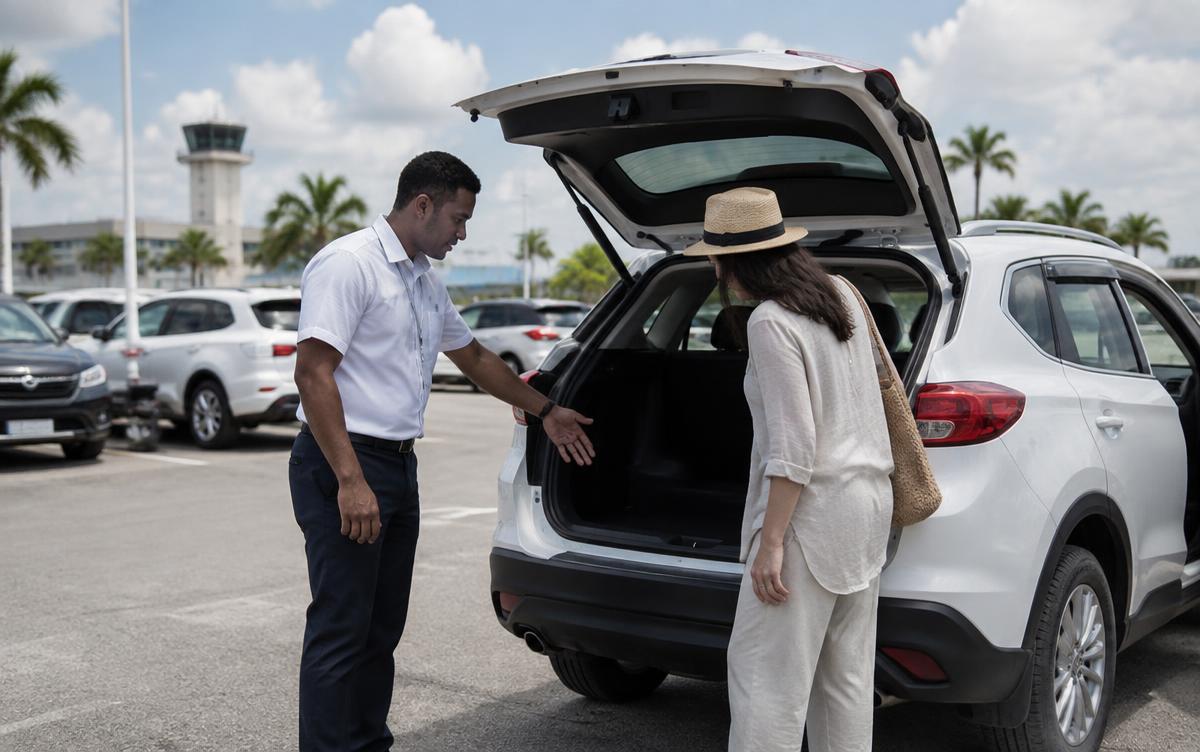
Vehicle Inspection and Pickup Protocol
Never rush the vehicle handover process. Conduct a meticulous physical inspection alongside the rental agent before driving away from the depot:
- Document Existing Blemishes: Walk around the vehicle and record high-definition photographs and video of all existing scratches, dents, paint chips, and windshield cracks.
- Check Tires and Spare Equipment: Inspect tire tread depth, tire pressure, and ensure that a functioning spare tire, jack, and lug wrench are present and in usable condition.
- Interior Functions: Verify that the air-conditioning, windshield wipers, headlights, turn signals, and seatbelts operate reliably.
- Fuel Gauge Verification: Confirm that the recorded fuel level on the inspection sheet matches the physical dashboard gauge before departing.
Safe Driving Practices on Dominican Roads
Driving conditions in the Dominican Republic differ significantly from North American and European highway norms. Maintain defensive driving habits at all times:
- Exercise Extreme Caution at Night: Avoid long-distance driving after dark whenever possible. Unlit roadways, pedestrians walking along shoulders, and unmarked speed bumps present substantial hazards.
- Anticipate Two-Wheeled Traffic: Motorcycles and scooters are common throughout all towns and frequently weave between lanes. Monitor your rearview and side mirrors constantly.
- Keep Cash for Tolls: Modern toll highways connect major metropolitan airports to coastal areas like Samaná. These toll plazas generally require local Dominican pesos (DOP) in cash.
Next Steps for Your Dominican Adventure
Securing a clear, all-inclusive rental quote and understanding local road realities will help you enjoy an independent journey across the island. If your travels inspire you to seek a permanent vacation base or investment property in our coastal communities, explore our regional destination guides or browse available homes via our property finder. Contact our team through our contact page to learn more about living and investing along the North Coast and Samaná Peninsula.
Sources
https://www.realestate-dominicanrepublic.com/travel-guide/how-to-rent-a-car-in-the-dominican-republic-complete-guide-for-tourists
Ready to look at homes?
Browse what's available now, or tell us what you're looking for.
Keep reading

Travel
Travel Safety in the Dominican Republic What You Need to Know in 2025
Planning travel in the Dominican Republic requires practical awareness of transport, local conditions, and outdoor safety. Learn how to prepare for a smooth itinerary.
Read more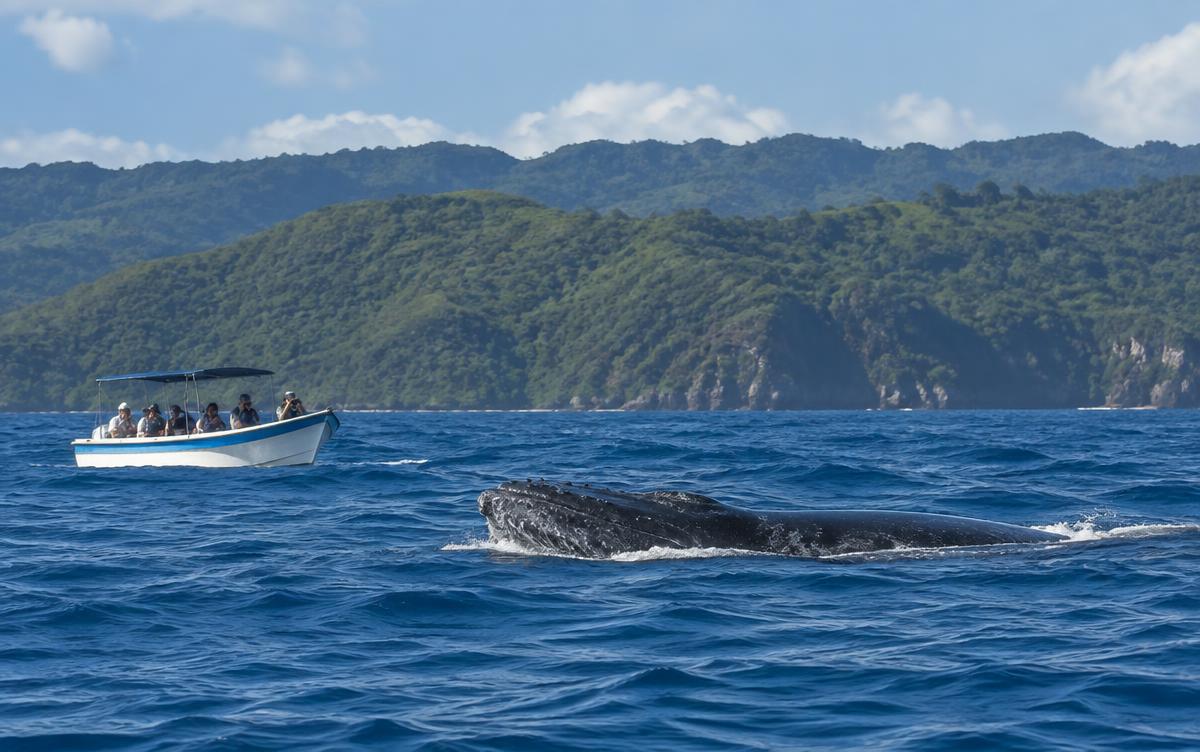
Travel
Top 15 Things to Do in the Dominican Republic Complete Guide for 2025
Explore 15 memorable activities across the Dominican Republic. From Samaná whale watching to Cabarete watersports, plan a balanced and realistic itinerary.
Read more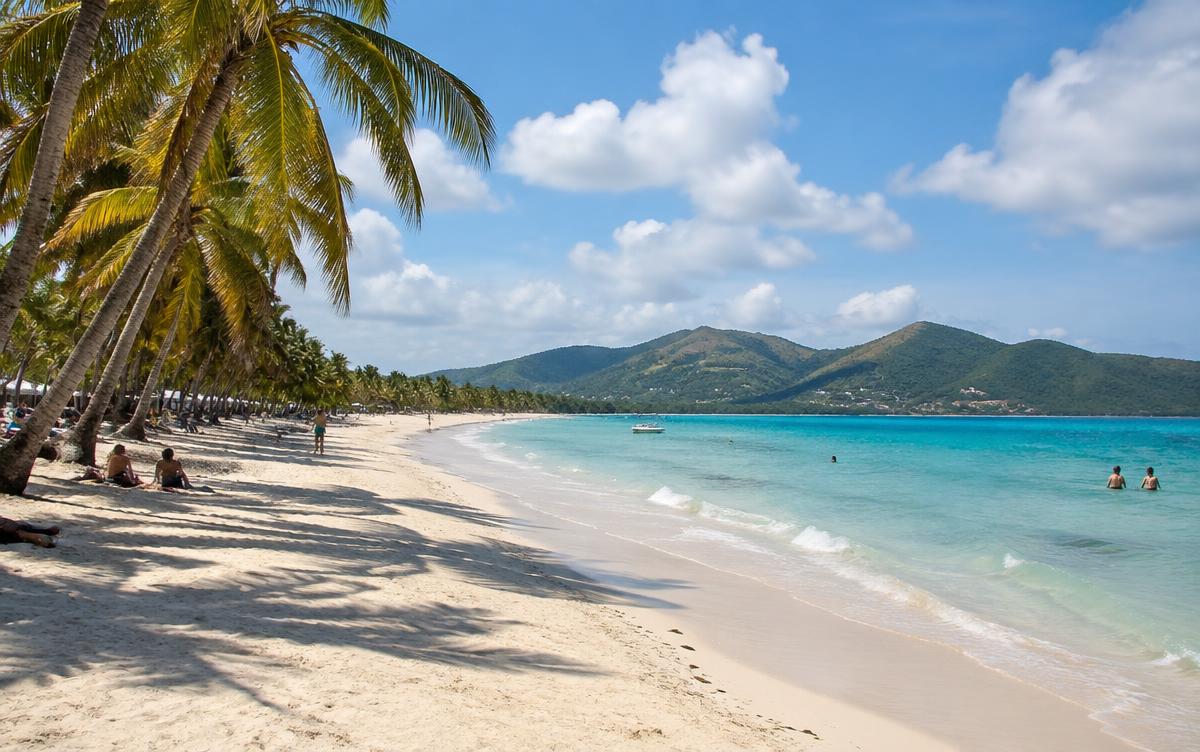
Travel
Best Beaches in the Dominican Republic You Need to Visit
Discover the best beaches across the Dominican Republic. Compare Las Terrenas, Las Galeras, Cabarete, and Sosúa to find your ideal coastal setting.
Read more
Start today
Ready to find your place?
Browse homes for sale and rent, or tell us what you need and we'll help.