
How to Buy in Casa Linda Dominican Republic Real Estate Guide for Investors and Homebuyers
By Alexandra 4 min read
A balanced guide to purchasing a villa in Casa Linda. Examine property condition, community fees, rental program rules, and daily commuting between Sosúa and Cabarete.
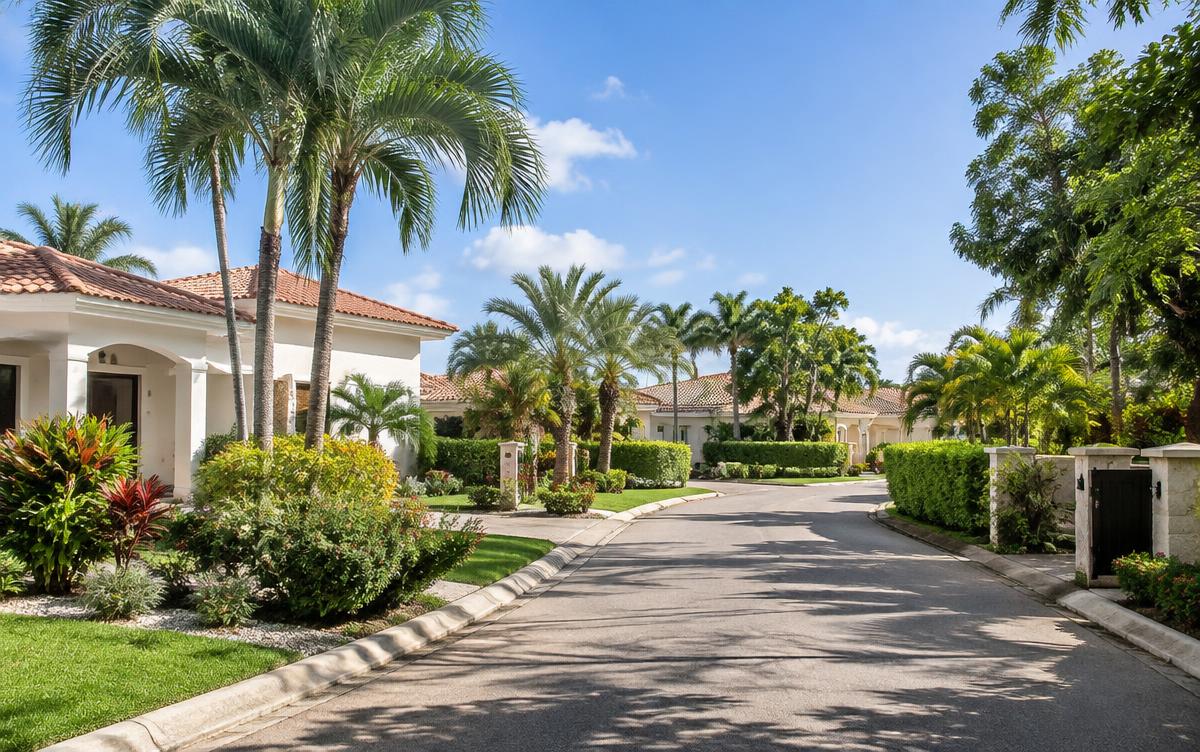
Casa Linda is an established gated residential community situated on the North Coast of the Dominican Republic, positioned between the vibrant beach towns of Sosúa and Cabarete. Known for its detached villas, private pools, and tropical landscaping, the development appeals to a wide spectrum of international buyers, including retirees, seasonal second-home owners, and rental investors. Successfully purchasing a property here requires evaluating both the individual villa and the community's ongoing management framework.
Evaluating the Location: Between Sosúa and Cabarete
One of Casa Linda's primary appeals is its strategic positioning. Located off the main highway, it offers a secure, enclosed environment while keeping owners within short driving distance of urban amenities. When considering a home here, examine your daily transport routine:
- Access to Sosúa: The center of Sosúa, known for international supermarkets, medical centers, and calm swimming bays like Playa Alicia, is located just minutes away by car.
- Access to Cabarete: Cabarete's world-renowned kitesurfing, windsurfing, and beachfront dining culture are a straightforward drive east, offering a dynamic lifestyle contrast.
- Airport Connectivity: The community provides practical road access to Gregorio Luperón International Airport in Puerto Plata, making arrivals and departures straightforward for overseas owners and vacation guests.
Because the development is a low-density, sprawling suburban layout, having private transportation-such as an automobile or scooter-is generally necessary for comfortable daily living, grocery shopping, and beach visits.
Inspecting Villa Design, Construction, and Privacy
Villas across Casa Linda vary considerably in age, phase, architectural design, and lot dimensions. Older phases feature mature tropical gardens and established perimeter hedges, while newer phases offer modern contemporary lines and recent finishes. During your physical evaluation, focus on key structural and lifestyle factors:
- Lot Orientation and Privacy: Assess outdoor living areas, pool decks, and covered terraces to ensure privacy from neighboring villas and internal community roads.
- Building Condition: Inspect flat roof drainage, exterior stucco, pool equipment, and air conditioning systems. The tropical marine environment requires ongoing preventative upkeep.
- Backup Power and Water Infrastructure: Ensure the villa's connections to community generators, cisterns, and water pumps operate smoothly and have been properly maintained.
Managing Pool, Garden, and Infrastructure Maintenance
Nearly all detached homes in Casa Linda feature private swimming pools and landscaped yards. Maintaining these features in a tropical climate involves predictable monthly operational costs and administrative attention. Buyers should examine whether maintenance is handled independently or managed through community-approved contractors:
- Pool Servicing: Regular chemical balancing, pump filter maintenance, and surface care are essential to prevent algae growth and pump wear.
- Tropical Landscaping: Rapid vegetation growth requires consistent pruning, lawn mowing, and irrigation management throughout the year.
- Backup Power Systems: While the community maintains centralized generator backup for power continuity, individual inverter systems and air-conditioning units still require periodic technical checkups.
Understanding Community Administration and HOA Fees
Gated community living relies on a functional homeowners association (HOA) structure to preserve communal roads, security gates, street lighting, trash collection, and common amenities. Before entering into a purchase agreement, request and review the complete administrative package:
- Monthly Maintenance Fees: Clarify the exact calculation method for dues (flat fee vs lot/villa size) and what specific services are covered.
- Reserve Funds: Inquire about capital reserve allocations for long-term road repaving, security technology upgrades, and infrastructure maintenance.
- Community Bylaws: Review pet policies, architectural alteration guidelines, noise restrictions, and construction hours for nearby building plots.
Rental Management vs Full-Time Ownership
Many owners in Casa Linda place their properties in short-term rental arrangements when not in personal use. The community features an on-site rental management program, while some owners opt for third-party property managers or self-management. Each approach involves distinct financial and operational realities:
- On-Site Rental Program: Offers seamless guest reception, check-in desks, cleaning, and marketing, in exchange for standardized management fee splits and prescribed furnishing guidelines.
- Independent Management: Allows greater flexibility for personal calendar control and bespoke marketing, but requires careful coordination of guest check-ins, linen laundry, and immediate repairs.
- Full-Time Living: Year-round residents must consider how the flow of holiday guests in neighboring villas affects neighborhood quietness during peak travel seasons.
Due Diligence and Title Verification for Villa Purchases
As with any real estate acquisition in the Dominican Republic, buyers in Casa Linda must engage an independent real estate lawyer who represents their interests exclusively. Legal due diligence must confirm:
- Clean, unencumbered property title registered with the Title Registry Office.
- Clear verification of boundary surveys (Deslinde) confirming the precise dimensions of the private parcel.
- Confirmation that all HOA maintenance fees, municipal taxes, and utility bills are settled up to the closing date.
- Validation of developer contract terms if purchasing a newly constructed villa or building package.
Next Steps for North Coast Buyers
A home in Casa Linda offers an appealing combination of privacy, turnkey services, and North Coast recreation. To determine if this community suits your personal lifestyle or investment criteria, compare available properties across our property catalogue, review nearby properties in Sosúa, or speak directly with our regional property advisors via our contact page.
Sources
https://www.realestate-dominicanrepublic.com/travel-guide/how-to-buy-in-casa-linda-dominican-republic-real-estate-guide-for-investors-and-homebuyers
Ready to look at homes?
Browse what's available now, or tell us what you're looking for.
Keep reading

Neighbourhoods
How to Visit Cosón Bay Dominican Republic Guide to Beaches Stays and Activities
Explore Cosón Bay near Las Terrenas. Learn practical tips on beach access, water conditions, seaside dining, and what to consider when planning short trips or longer stays.
Read more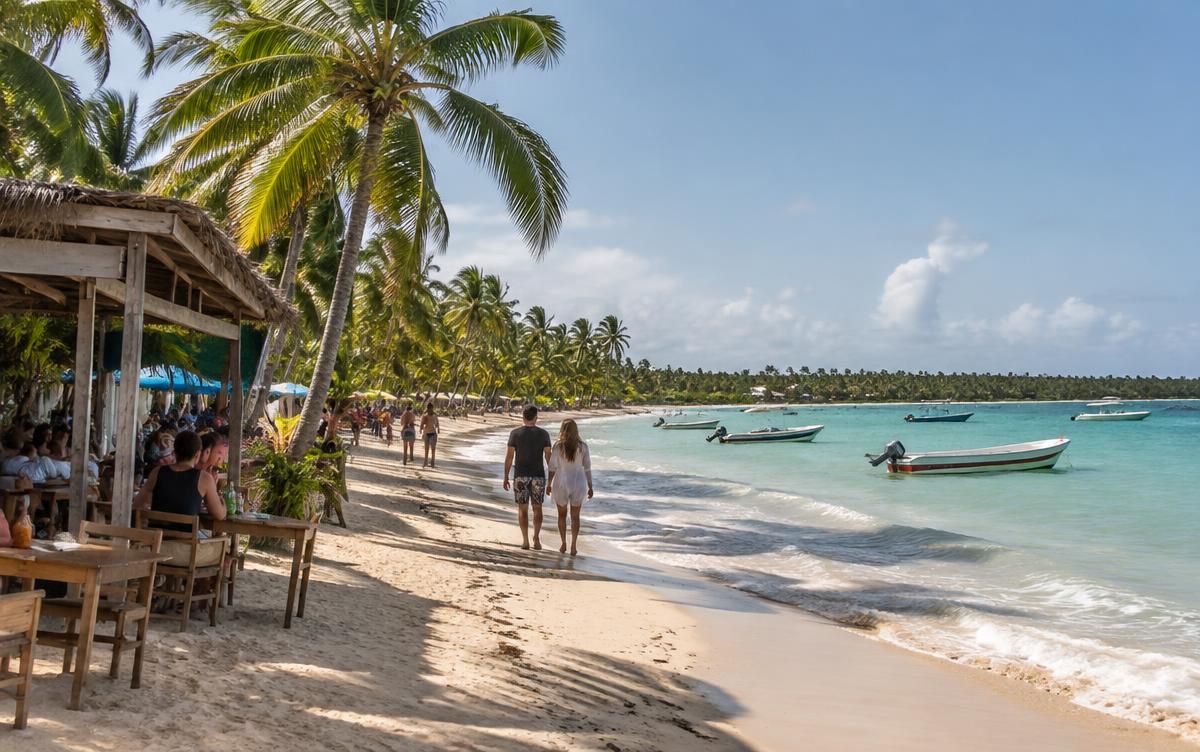
Neighbourhoods
How to Enjoy Punta Popy Beach Dominican Republic Guide to Visiting and Living Nearby
Explore Punta Popy in Las Terrenas. From watersports and beachfront dining to daily practicalities like parking and noise, learn what to expect when visiting or living nearby.
Read more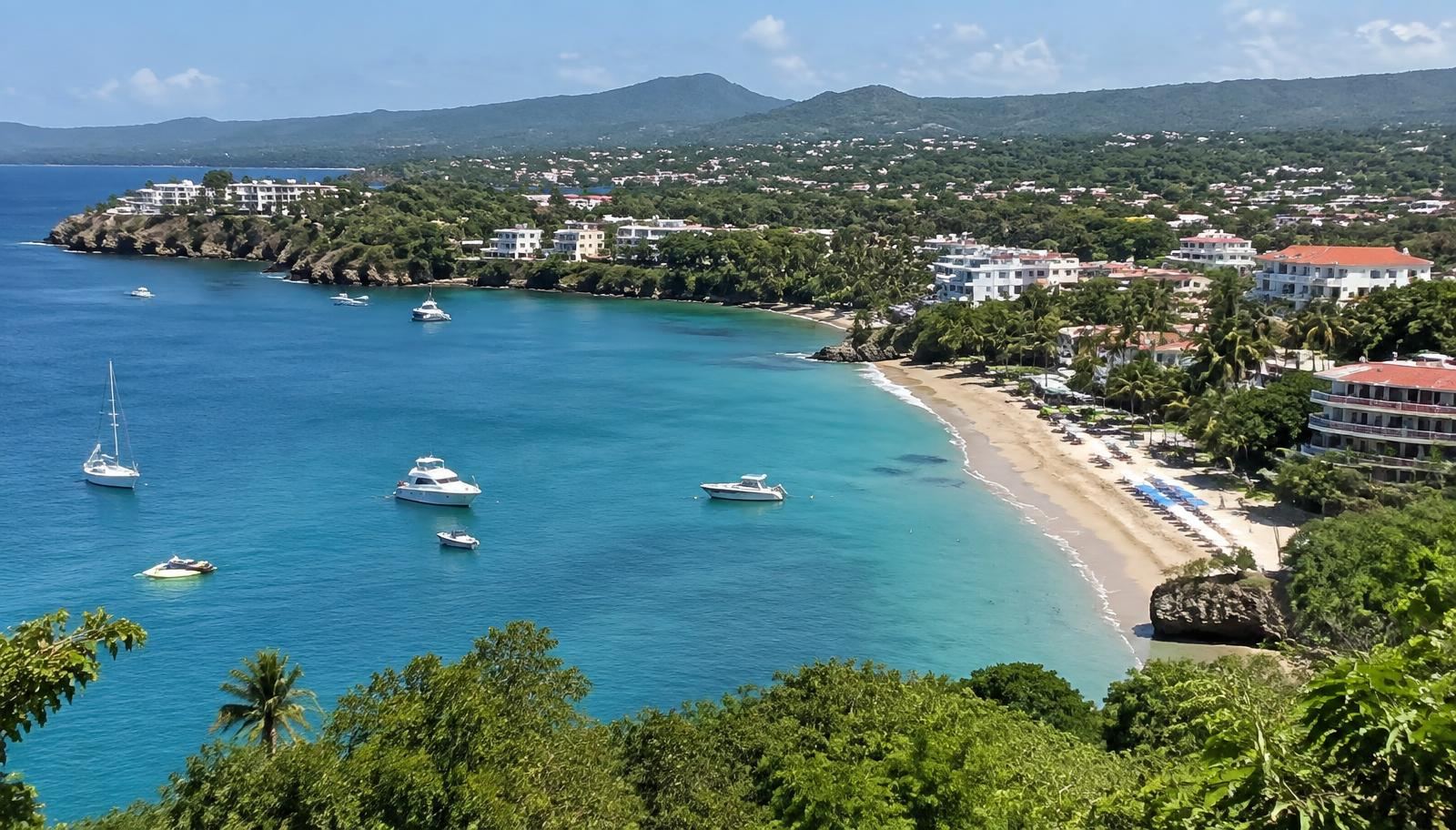
Neighbourhoods
How to Invest in Sosúa Real Estate: Property Types and Neighborhood Insights
Evaluate real estate investments in Sosúa by comparing central apartments with gated villa communities, assessing recurring costs, and verifying rental demand. Learn what to review before committing to a property.
Read more
Start today
Ready to find your place?
Browse homes for sale and rent, or tell us what you need and we'll help.