
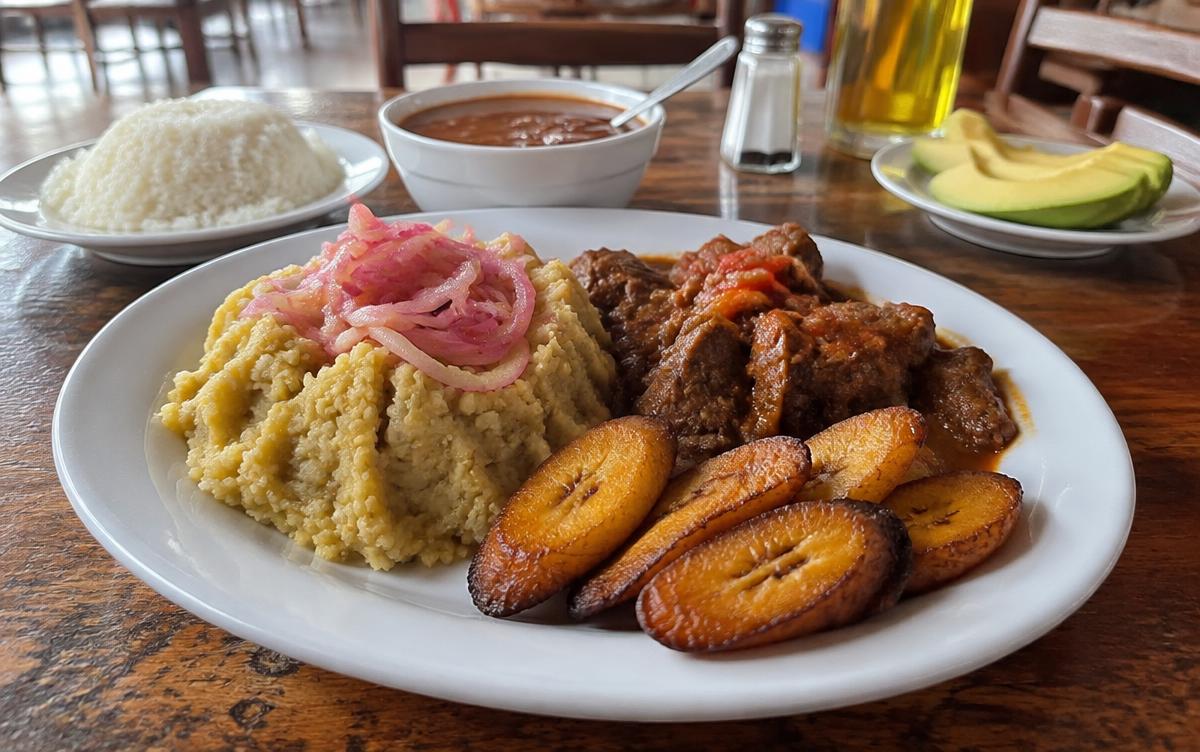
Dominican Republic Foods and Culture Discover Traditional Dishes Local Flavors
By Rushanna 9 min read
Discover traditional Dominican cuisine, from staple plates like la bandera and mangú to coastal seafood, and learn how dining routines reflect local daily life.
If there’s one thing that perfectly captures the spirit of the Dominican Republic, it’s the food. From the sizzle of street vendors to the aroma of home-cooked meals, Dominican cuisine is a vibrant reflection of the island’s history, people, and culture. The flavors here tell stories - of African roots, Spanish influences, and the creativity that makes every meal feel like a celebration. Exploring Dominican Republic foods and culture isn’t just about tasting dishes; it’s about experiencing the country itself. Whether you’re enjoying a hearty bowl of sancocho, a crispy plate of tostones, or a sweet serving of dulce de leche, each bite connects you to generations of tradition. Meals are shared with family, laughter, and music - food is not just eaten here, it’s lived.
For travelers, diving into traditional Dominican food is one of the most rewarding parts of the journey. This guide will take you through the island’s most iconic dishes, local dining customs, and cultural insights that help you enjoy the Dominican way - full of flavor, warmth, and soul.
KEY POINTS:
- Learn about the most traditional Dominican dishes.
- Discover how food reflects local culture and history.
- Explore typical ingredients and cooking methods.
- Get tips on where to try authentic Dominican cuisine.
- Understand the island’s culinary traditions and flavors.
Typical Food in the Dominican Republic
The typical food in the Dominican Republic is a delicious mix of Spanish, African, and Taino (indigenous) influences - hearty, flavorful, and always made with love. Every dish celebrates the island’s tropical abundance and the Dominican talent for turning simple ingredients into something unforgettable. Rice, beans, plantains, and fresh seafood form the base of most meals, but it’s the combination of spices and creativity that truly defines Dominican cooking.
Food here is more than sustenance - it’s part of daily rhythm. Families gather around the table for long lunches, sharing stories over aromatic stews and fried delights. From breakfast to dinner, every meal reflects the country’s warmth and hospitality.
Some of the most typical Dominican dishes include:
- La Bandera Dominicana - literally “the Dominican flag,” this classic dish features rice, red beans, stewed meat, and fried plantains - a perfect symbol of national pride.
- Mangú - mashed green plantains served with eggs, fried cheese, and salami, often eaten for breakfast.
- Sancocho - a rich meat and root-vegetable stew, considered the country’s ultimate comfort food.
- Tostones - twice-fried green plantains, crispy and salty, often served as a side or snack.
- Mofongo - mashed plantains mixed with garlic and pork cracklings, originally from Puerto Rico but beloved here too.
- Pescado frito - whole fried fish served with lime, rice, and salad, especially popular along the coast.
Each of these dishes tells a story of cultural fusion - a cuisine born from history, climate, and community. It’s bold, filling, and made to be shared.
TIP: When dining in local spots (called comedor or fondita), try the daily special - “el plato del día.” It’s fresh, authentic, and often costs just a few dollars while tasting like a homemade feast.
Traditional Dominican Foods and Flavors
The traditional Dominican foods and flavors are a perfect blend of hearty comfort and tropical freshness. Rooted in Spanish, African, and indigenous Taino traditions, Dominican cuisine is full of warmth, spice, and creativity. What makes it unique is not just the recipes themselves, but the way they’re seasoned, served, and shared.
Meals often feature rice, beans, meat, and plantains - the “holy quartet” of Dominican cooking. Coconut milk, oregano, garlic, and cilantro add depth, while lime and vinegar give dishes their signature tang. Every region of the island adds its own twist - coastal towns bring in seafood specialties, while mountain regions favor soups and stews.
Signature flavors and ingredients of Dominican cuisine include:
- Plantains (plátanos) - the foundation of many dishes, used fried, boiled, or mashed.
- Rice and beans (arroz y habichuelas) - a staple combination that accompanies almost every meal.
- Fresh seafood - red snapper, lobster, and shrimp are common along the coast.
- Coconut and tropical fruits - used in sauces, desserts, and refreshing drinks.
- Local spices - garlic, onion, cilantro, oregano, and adobo seasoning define the island’s taste.
- Sugarcane and rum - central to Dominican desserts and drinks.
Dominican flavors are bold but balanced - never overwhelming. It’s the kind of food that feels homey, even if it’s your first visit. Locals rarely measure ingredients; they cook “by heart,” letting aroma and taste lead the way.
TIP: Try local condiments like aji picante (spicy pepper sauce) or sofrito (a blend of herbs and spices used as a cooking base). They’re the secret behind that authentic Dominican flavor you won’t find in hotel buffets.
Dominican Drinks and Desserts
When it comes to sweetness and refreshment, the Dominican Republic knows how to delight every palate. The Dominican drinks and desserts capture the island’s tropical soul - bold, colorful, and irresistibly comforting. Whether you’re sipping a strong cup of Dominican coffee, tasting a creamy dessert, or enjoying a rum cocktail at sunset, these flavors tell a story of celebration and warmth.
Dominican beverages reflect both the climate and the culture - refreshing fruit juices during the day, rich coffee after meals, and smooth rum for social evenings. Desserts, meanwhile, are rich with history and creativity, combining local fruits, sugarcane, milk, and spices into traditional treats that bring people together.
Popular Dominican Drinks:
- Café Dominicano - strong, aromatic, and sweet; locals drink it multiple times a day, often offered as a gesture of hospitality.
- Batidas (fruit shakes) - made from papaya, mango, passion fruit, or banana blended with milk or ice; refreshing and nutritious.
- Morir Soñando - literally “to die dreaming,” this mix of orange juice, milk, sugar, and ice is creamy, citrusy perfection.
- Presidente Beer - the island’s iconic light lager, best served ice-cold on the beach.
- Dominican Rum - brands like Brugal, Barceló, and Bermúdez are national favorites, often enjoyed neat or in cocktails like Cuba Libre or Piña Colada.
Popular Dominican Desserts:
- Dulce de leche - sweet, caramel-like pudding made from slow-cooked milk and sugar.
- Habichuelas con dulce - a traditional Easter dessert made with red beans, coconut milk, cinnamon, and raisins - unusual yet delicious.
- Bizcocho Dominicano - a moist, buttery cake layered with guava or pineapple jam, served at birthdays and weddings.
- Majarete - creamy corn pudding flavored with cinnamon and nutmeg, often served chilled.
- Dulce de coco - grated coconut cooked in milk and sugar until soft and chewy - pure island sweetness.
These drinks and desserts highlight how much Dominicans love to enjoy life’s simple pleasures - good company, great flavor, and time to savor it all.
TIP: If you’re exploring local bakeries or cafés, look for “panaderías” and “pastelerías.” They often serve homemade sweets and fresh batidas that cost just a few pesos but taste unforgettable.
Food Culture and Dining Customs in the Dominican Republic
In the Dominican Republic, food isn’t just something to eat - it’s a way of life. Meals bring families, friends, and neighbors together, turning every table into a celebration of community. The food culture and dining customs in the Dominican Republic reveal the country’s deep appreciation for flavor, connection, and tradition.
Dominicans typically enjoy three main meals a day, but lunch is the heart of them all - large, home-cooked, and often shared with family. Meals are social events where laughter, conversation, and music are just as important as what’s on the plate. Respect for food and those who prepare it is a key part of Dominican hospitality.
Key Dining Customs and Traditions:
- Lunch is the main meal - usually served between 12 p.m. and 2 p.m., featuring rice, beans, meat, salad, and fried plantains (La Bandera Dominicana).
- Sharing food is common - whether at home or in restaurants, offering a taste to others is seen as friendly and generous.
- Coffee after meals - a small, strong cup of coffee (un cafecito) often follows lunch or dinner, symbolizing hospitality.
- Eating together - family members often wait for everyone to sit before beginning; mealtime is a moment to connect.
- Politeness matters - avoid starting before the host, and always say “buen provecho” (enjoy your meal) before eating.
- Street food etiquette - locals eat with their hands but neatly; you’ll often see napkins tucked in pockets or hands washed before and after.
Food is also deeply tied to celebrations - from birthdays and weddings to national holidays. Traditional dishes like lechón asado (roast pork) and pastelón (plantain lasagna) often appear at festive gatherings, symbolizing abundance and joy.
TIP: When invited to a Dominican home, always accept at least a small portion of what’s offered - refusing food can be seen as impolite. And don’t rush! Meals here are meant to be enjoyed slowly, with good conversation and laughter.
Where to Try Authentic Dominican Food
To truly understand Dominican culture, you have to taste it where it lives - in family kitchens, open-air markets, and small eateries filled with laughter and music. The best way to experience authentic Dominican food isn’t always in fancy restaurants, but in the places where locals eat every day. From bustling city streets to sleepy beach towns, there’s always a table waiting and a plate full of flavor.
Dominican cuisine thrives on freshness and simplicity, so look for spots where food is cooked to order, often right in front of you. Whether it’s breakfast mangú from a corner stand or a hearty sancocho shared at a family restaurant, every bite tells a story of island life.
Best Places to Taste Authentic Dominican Cuisine:
- Comedores (local diners) - small, family-run eateries serving daily specials like rice, beans, and stewed meats. Great taste at local prices.
- Street food stalls - perfect for quick snacks like empanadas, tostones, yaniqueques (fried dough), or pastelitos (savory pastries).
- Mercados (markets) - vibrant food markets like Mercado Modelo in Santo Domingo or Mercado de San Felipe in Puerto Plata offer local fruits, spices, and ready-to-eat meals.
- Beach shacks and coastal cafés - enjoy fresh pescado frito, lobster, or shrimp with a view of the ocean.
- Traditional restaurants - in cities, look for places labeled “cocina típica” (typical kitchen) for a full dining experience.
- Food festivals - events like Festival Gastronómico Dominicano or Sabores de Samaná celebrate regional flavors and new twists on old recipes.
Whether you’re dining with locals in the mountains of Jarabacoa or tasting coconut-infused dishes in Samaná, authentic Dominican food is always served with warmth and pride.
Final Thoughts on Dominican Republic Food and Culture
Dominican food is more than a collection of recipes - it’s a reflection of the island’s soul. Every dish, from a humble plate of rice and beans to a festive sancocho shared among friends, carries the story of the Dominican people: proud, joyful, and deeply connected to their roots. The flavors here are bold but welcoming, much like the culture itself. To explore Dominican Republic food and culture is to discover the island’s rhythm - slow mornings with café Dominicano, laughter-filled lunches, and evenings that stretch late into the night with music, rum, and good company. It’s a cuisine that doesn’t try to impress; it embraces you like family.
Whether you’re wandering through Santo Domingo’s colonial streets, tasting street snacks by the beach, or joining locals for Sunday lunch, you’ll find that food is the common language of the Dominican Republic - one that speaks of warmth, tradition, and joy.
Sources
https://www.realestate-dominicanrepublic.com/travel-guide/dominican-republic-foods-and-culture-discover-traditional-dishes-local-flavors
Ready to look at homes?
Browse what's available now, or tell us what you're looking for.
Keep reading

Travel
Travel Safety in the Dominican Republic What You Need to Know in 2025
Planning travel in the Dominican Republic requires practical awareness of transport, local conditions, and outdoor safety. Learn how to prepare for a smooth itinerary.
Read more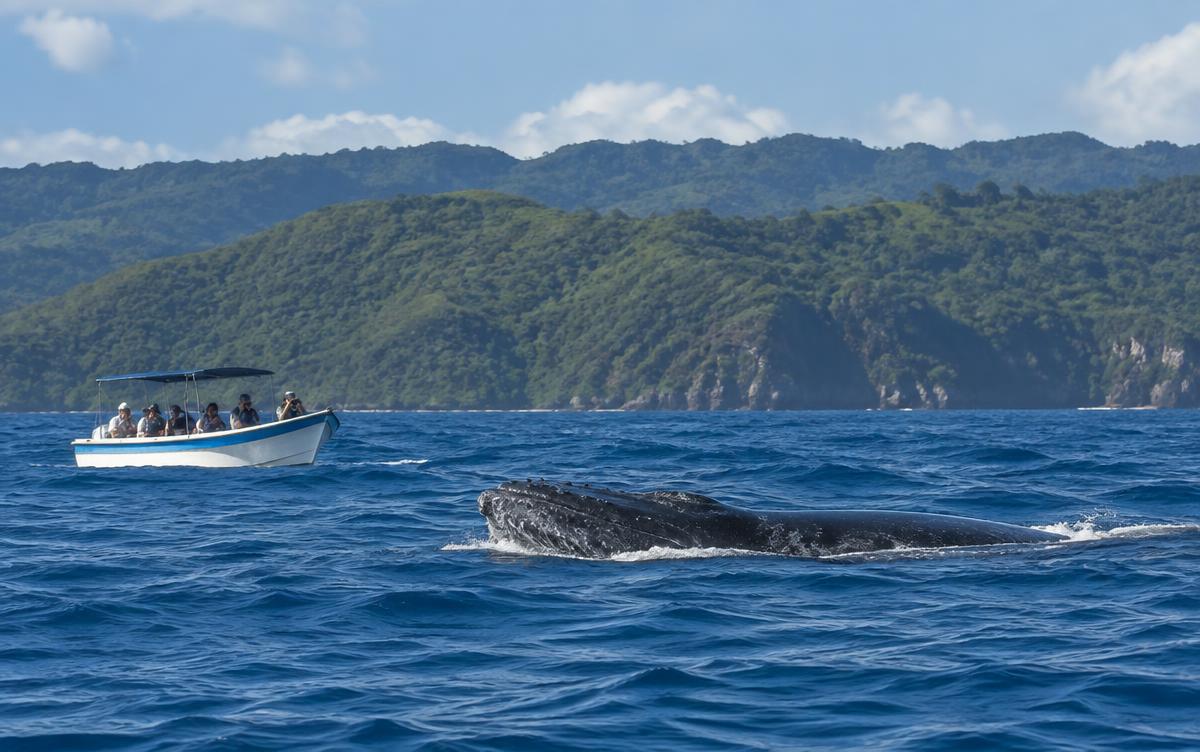
Travel
Top 15 Things to Do in the Dominican Republic Complete Guide for 2025
Explore 15 memorable activities across the Dominican Republic. From Samaná whale watching to Cabarete watersports, plan a balanced and realistic itinerary.
Read more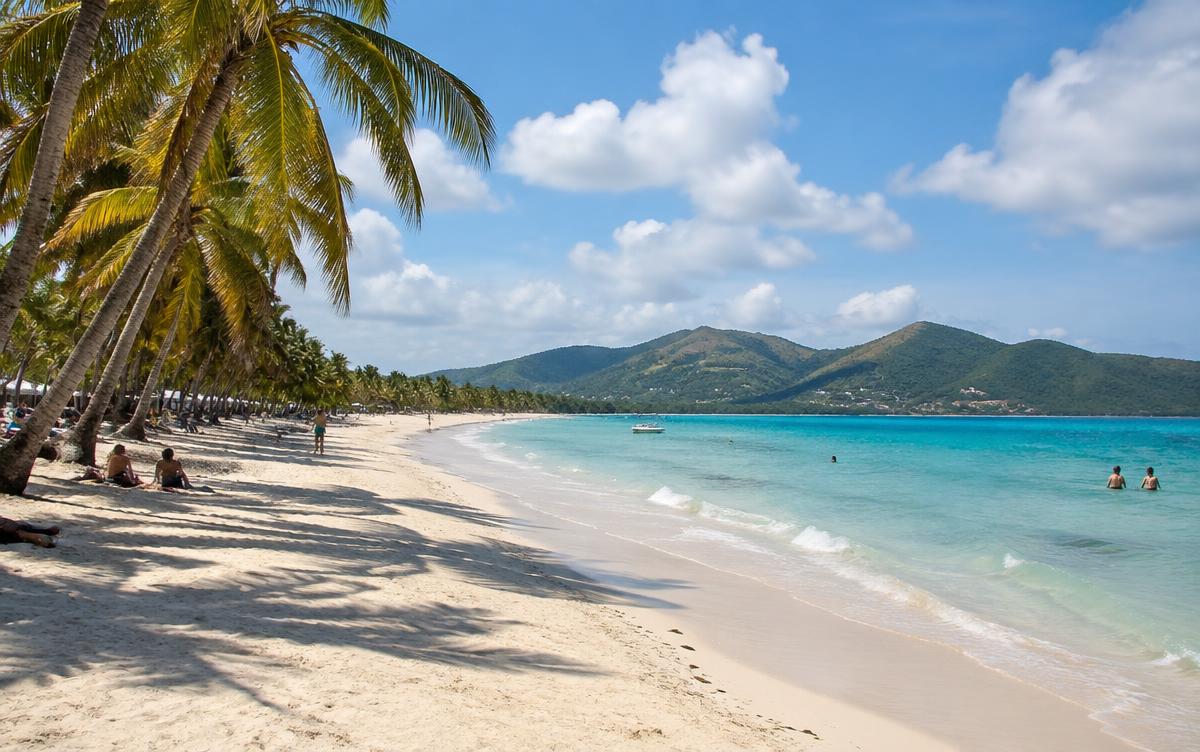
Travel
Best Beaches in the Dominican Republic You Need to Visit
Discover the best beaches across the Dominican Republic. Compare Las Terrenas, Las Galeras, Cabarete, and Sosúa to find your ideal coastal setting.
Read more
Start today
Ready to find your place?
Browse homes for sale and rent, or tell us what you need and we'll help.