

How to Relocate to the Dominican Republic Complete Guide to Moving and Living in the DR
By Anahí 4 min read
Planning a move to the Dominican Republic? Explore essential steps for housing, lawful stay, schooling, healthcare, and daily routines across coastal towns.
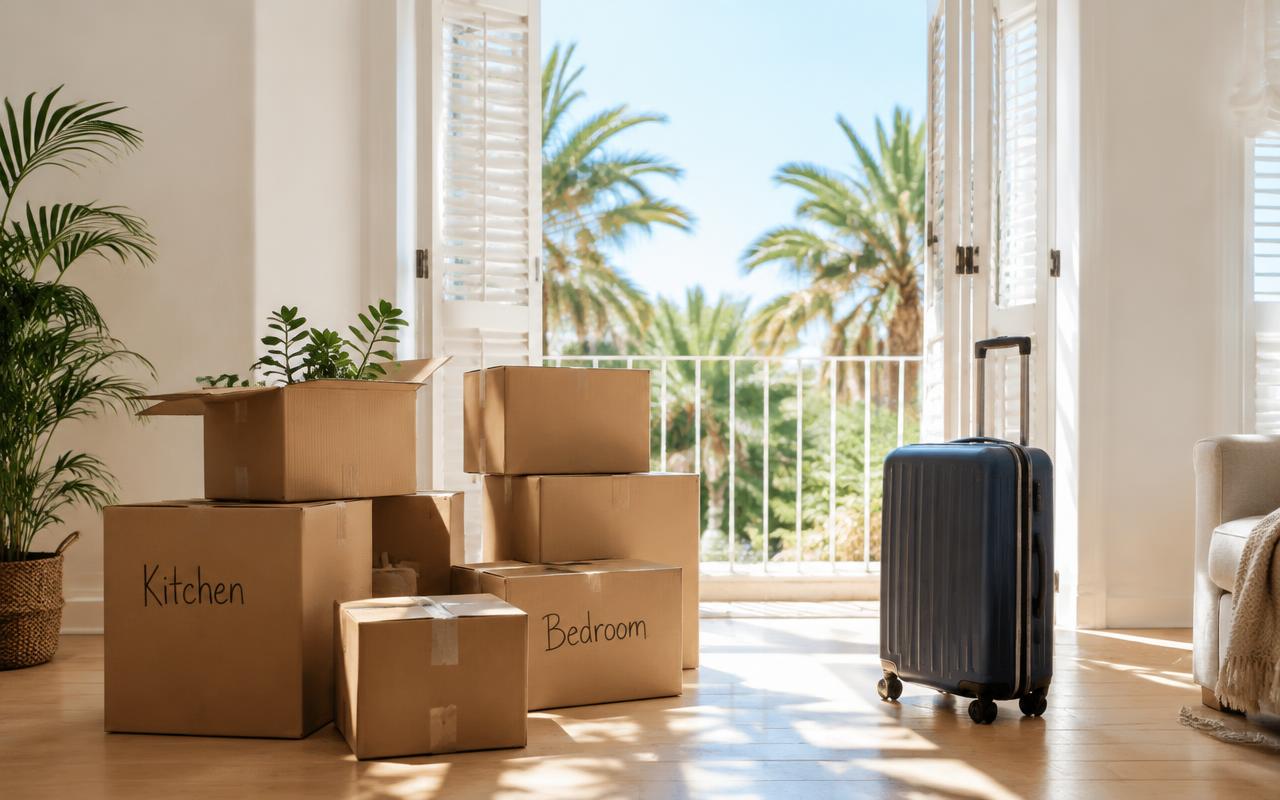
Relocating to the Dominican Republic involves balancing lifestyle aspirations with practical logistics. Moving to a new country requires more than choosing a coastal view; it demands methodical preparation around lawful residency, setting up a household, establishing local banking connections, and organising everyday routines. Whether your interest lies in the lively surf town of Cabarete, the relaxed international atmosphere of Las Terrenas, or the established residential hubs of Sosúa, treating relocation as a phased project ensures a smoother transition.
Choosing the Right Region and Setting Up Temporary Housing
Before committing to a long-term lease or purchasing property, spending dedicated time in your preferred region is essential. Each coastal community offers distinct rhythms, amenities, and infrastructure:
- Las Terrenas and the Samaná Peninsula: Known for its lush topography, French-influenced dining scene, and diverse international community. Daily life blends walkable beachfront strips with hillside properties offering quiet privacy. Explore our guide to Las Terrenas and Samaná to understand regional differences.
- Cabarete and Sosúa: Situated on the North Coast, these towns offer distinct lifestyle benefits. Cabarete appeals to water sports enthusiasts, digital nomads, and active families, while Sosúa offers sheltered bays, comprehensive expat services, and proximity to Puerto Plata International Airport.
Securing short-term housing through reputable rental accommodations allows you to evaluate traffic patterns, noise levels, and neighborhood infrastructure during different times of day and across various seasons.
Navigating Immigration and Lawful Stay
One of the most critical aspects of relocating is ensuring your immigration status is handled correctly. Entry permissions, temporary permits, and permanent residency rules depend on your citizenship, income source, and long-term intentions.
Important principles to keep in mind regarding immigration include:
- No Automatic Residency: Purchasing real estate in the Dominican Republic does not automatically confer residency or citizenship. Real estate ownership and immigration status are distinct legal matters.
- Categories of Residency: Common pathways include residency based on retirement income (pensionado), investment, foreign rental income (rentista), or family ties. Each route has specific documentation thresholds, police background checks, and health requirements.
- Professional Guidance: Because immigration regulations, application procedures, and fee schedules are subject to change, all applicants should consult a qualified Dominican immigration attorney before making permanent moving plans.
Budgeting for Initial Setup and Ongoing Living Costs
A sound relocation plan distinguishes between one-off initial expenses and regular monthly operational costs. Setting up a new residence often involves upfront outlays that should be budgeted carefully:
- Upfront Setup Costs: Security deposits on rentals, initial utility connection or transfer fees, furnishing costs if renting an unfurnished home, vehicle purchase or rental, and professional legal fees for immigration and contracts.
- Ongoing Operational Costs: Rent or condominium HOA fees, electricity, potable water delivery, internet services, private health insurance premiums, vehicle maintenance, and domestic assistance.
- Utility Considerations: Electricity costs can vary substantially depending on air-conditioning use and backup power infrastructure, such as solar systems or generators. Confirm utility history and supply arrangements for your specific address before signing agreements.
Banking, Documentation, and Financial Administration
Access to Dominican banking services depends on the specific commercial institution, the applicant's legal status, and individual risk profiles. Opening a personal bank account as a foreign national generally requires an extensive paper trail.
You should prepare official records well in advance, including valid passports, proof of domestic income, tax returns from your home country, and professional or bank reference letters. Because document validity windows for legal matters are strict, coordinate timing carefully with your legal counsel. In the interim, ensure you have reliable international banking methods and credit cards that function without prohibitive transaction charges.
Health Care, Schooling, and Everyday Community Integration
Managing daily practicalities successfully is central to settling into life in the Dominican Republic:
- Healthcare: Quality private clinics and regional hospitals operate in major hubs and close to international communities. Most expats obtain private medical insurance plans that cover local specialist consultations, emergency procedures, and hospitalization.
- Schooling: Families relocating with children should investigate international, bilingual, and private schools early, particularly in areas like Cabarete, Sosúa, and Las Terrenas. School calendars, curriculum accreditations, and transportation routes vary widely.
- Language and Integration: While English and other European languages are commonly spoken within expat business hubs, learning Spanish is invaluable for dealing with local administrative offices, home maintenance staff, and regional vendors, as well as building genuine local ties.
Planning Your Next Steps
Relocating successfully is built on thorough research and independent professional guidance. If you are preparing to evaluate residential areas and explore potential long-term homes, browse our curated collection of properties for sale or use our bespoke property finder service. Reach out through our contact page to connect with knowledgeable regional specialists who can assist you in finding your ideal base in the Dominican Republic.
Sources
https://www.realestate-dominicanrepublic.com/travel-guide/how-to-relocate-to-the-dominican-republic-complete-guide-to-moving-and-living-in-the-dr
Ready to look at homes?
Browse what's available now, or tell us what you're looking for.
Keep reading
Residency & Relocation
How to Get Temporary Residency in Dominican Republic StepbyStep Guide
Navigate the temporary residency pathway in the Dominican Republic with clarity. Learn the consular and in-country stages, required documentation, and legal essentials.
Read more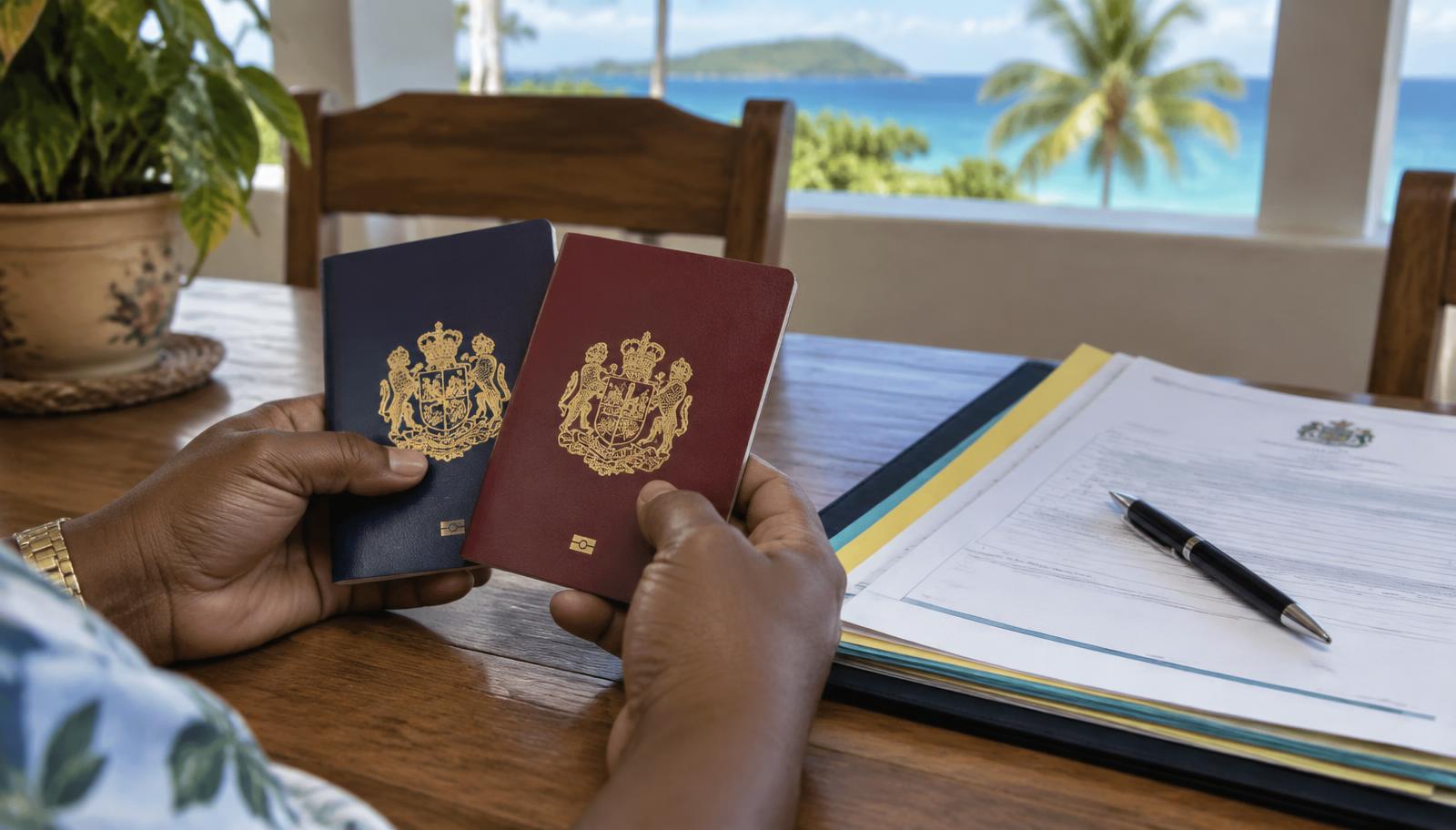
Residency & Relocation
How to Apply for Dual Citizenship in the Dominican Republic: A Step-by-Step Guide
Explore pathways and legal considerations for Dominican citizenship, including eligibility, documentation, and the distinction between citizenship and residency. Requirements depend on your circumstances and should be confirmed with an independent lawyer.
Read more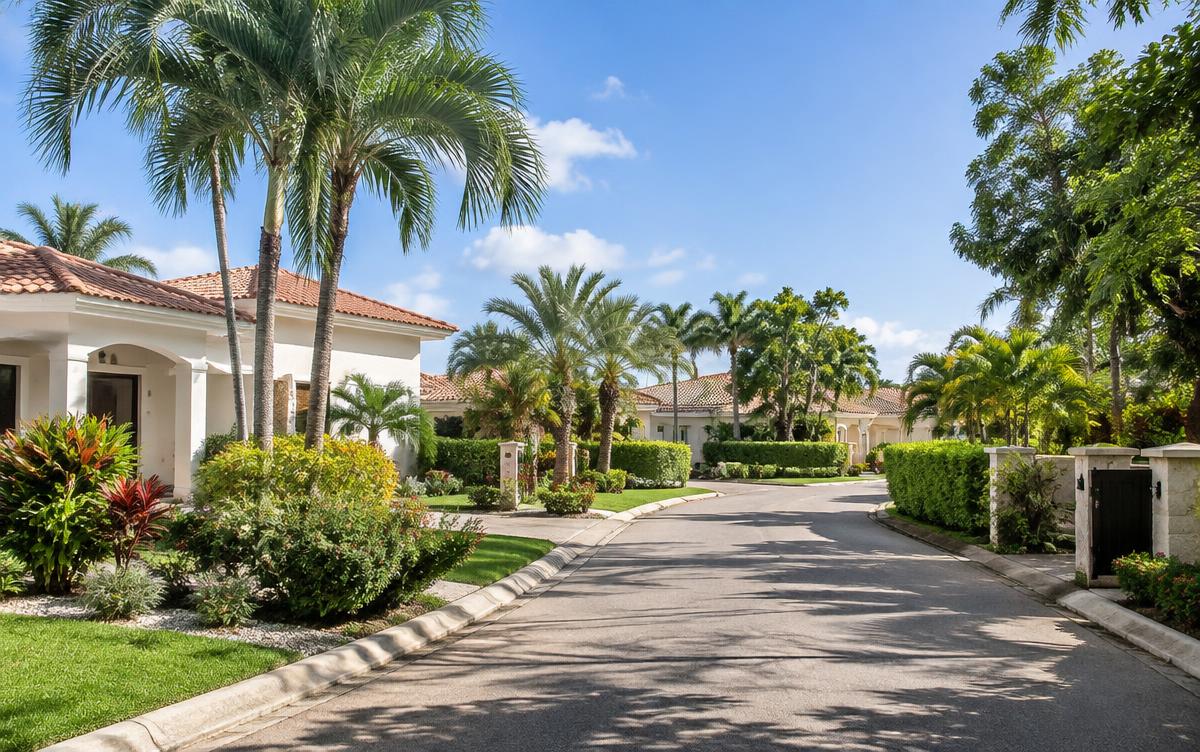
Neighbourhoods
How to Buy in Casa Linda Dominican Republic Real Estate Guide for Investors and Homebuyers
A balanced guide to purchasing a villa in Casa Linda. Examine property condition, community fees, rental program rules, and daily commuting between Sosúa and Cabarete.
Read more
Start today
Ready to find your place?
Browse homes for sale and rent, or tell us what you need and we'll help.